
what’s to eat #12
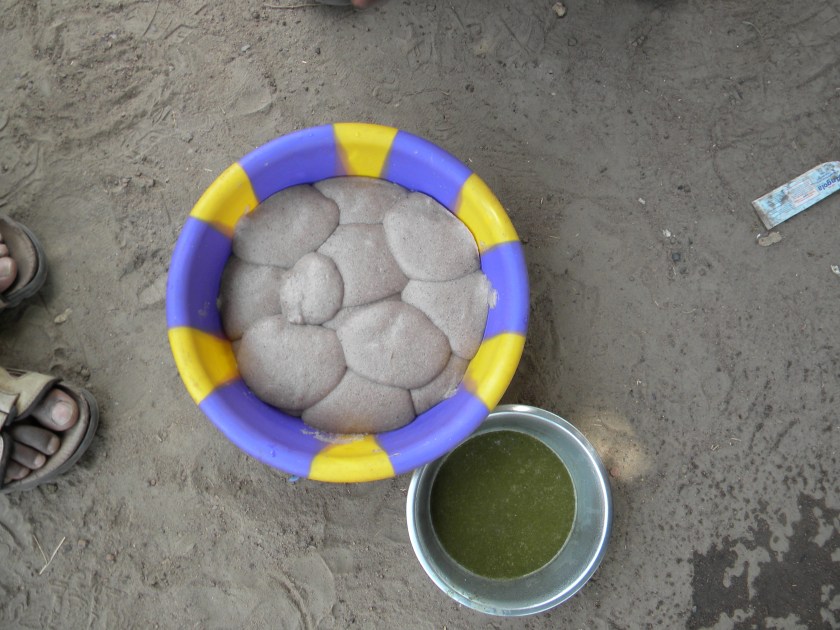
Shared lunch in Seliban village: Tô, a starchy porridge–this one made from sorghum flour–served with baobab leaf sauce.
Shared lunch in Seliban village: Tô, a starchy porridge–this one made from sorghum flour–served with baobab leaf sauce.
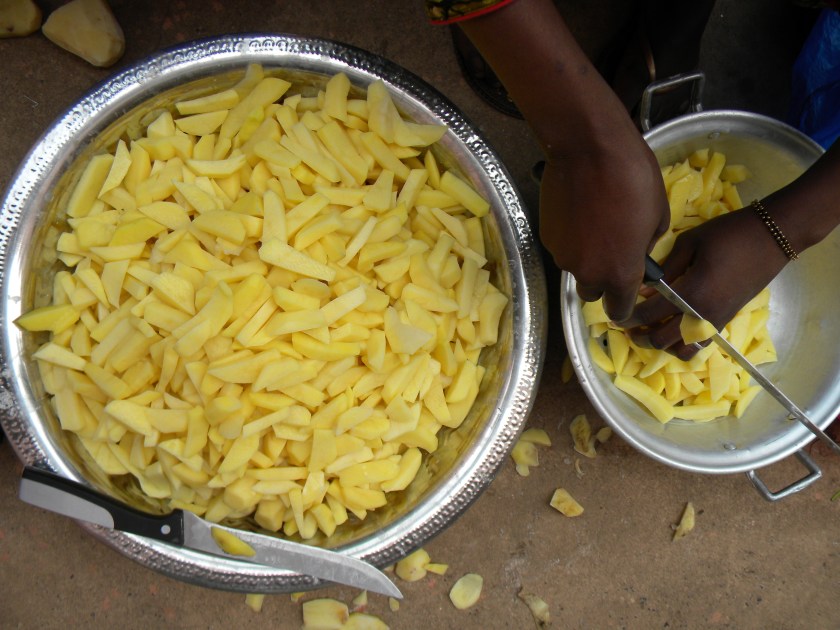
preparing frîtes … for a lunch fête of grand proportions.At the office, Magnambougou, Bamako, Mali.
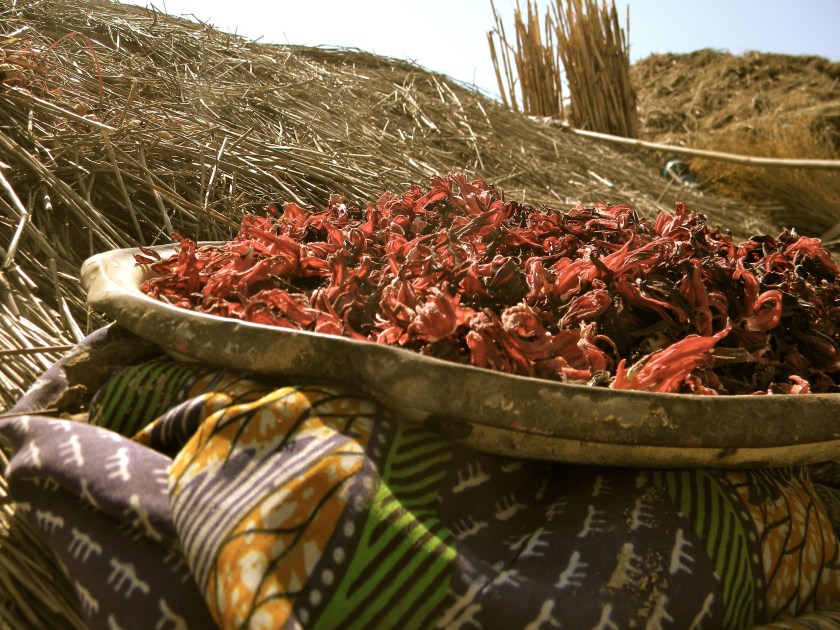
Hibiscus flowers drying on a thatched roof, soon to become bissap, also known as dableni, a sweet juice infusion enjoyed cold.
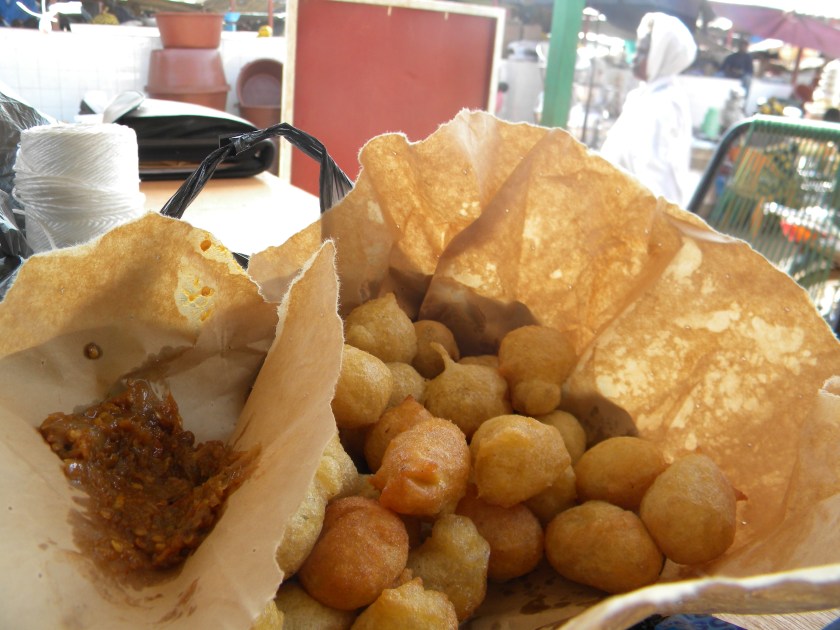
Friday is market day in Ouelessebougou, and villagers from miles away come to buy, sell, trade, and snack. We indulged in savory bean-flour beignets and piment, a spicy paste.
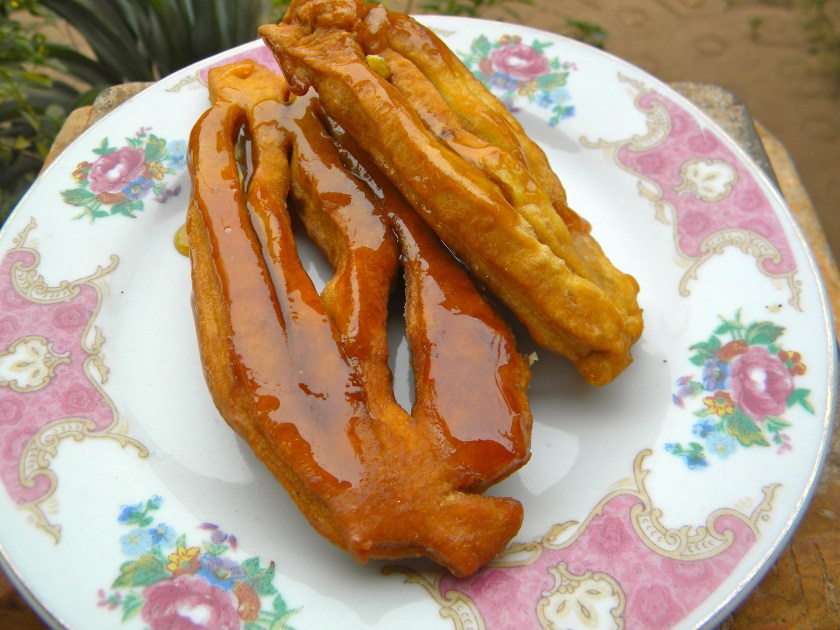
“Al kachi,” dessert (or breakfast) from Timbuktu: a sweet dough flavored with tangy baking soda and sour, fresh tamarind syrup, then fried and coated with honey.
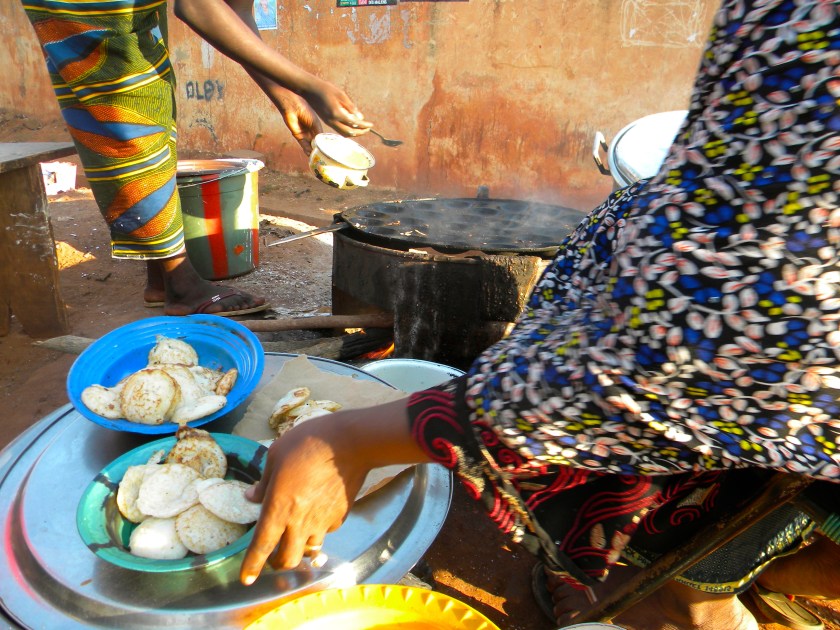
Breakfast on the go: ngɔɔmi. sourdough-like fried pancakes sprinkled with sugar, or drizzled with honey. The funny thing about street-side breakfasts in Bamako is that they never seem to be around during breakfast time: foods prepared fresh in the street (donuts, cakes, egg sandwiches) vanish by 8:30am, devoured by the masses who rose hours earlier for morning prayer. Luscious fruit stands abound on nearly every street corner, but they’re open only from early afternoon until 1:00am, 2:00am, or as late as the saleswomen can keep their eyes open. Meaning: if you’re searching for a quick breakfast around 9 or 10am…bon courage. Breakfast in Bamako waits for no one.
 outerNotes