All posts tagged: mali

on the patiences

Question: if good things come to those who wait, does patience come as well? A new variety of patience has made itself known during the process of Growing Up. It’s distinct from Waiting Patience, as in waiting in line, waiting for dessert, waiting for a promotion, or waiting for things to come together. I call it Watching Patience, and it’s much messier and more confusing, although possibly more rewarding. It’s the patience that accompanies growth and change when they take months, years, even decades. Waiting Patience has a discernible end; Watching Patience discerns little in advance, only you imagine you’ll recognize the fruits of the process when you see them. The most striking difference between these two Patiences is the way they proceed. With Waiting Patience, you can break down the steps and be confident in your progress. Each bite of vegetables brings me closer to dessert… each step forward brings me closer to completing a marathon… each course brings me closer to a degree, and so on. But Watching Patience requires a near-impossible level …
on lately

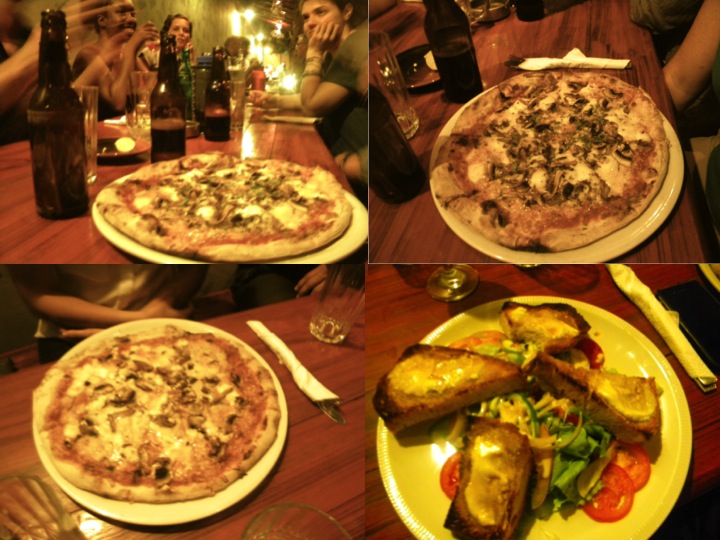
Rounds (and rounds) of pizzas … Seed deliveries to far-off villages with names like Sanambele, Tiakadougou-Dialakoro, and Sanankoro-Djitoumou. We have cats and data, and data and cats; trainings, plantings, hard work, and lots of hope in bare fields, and sometimes in bare feet.

on village design

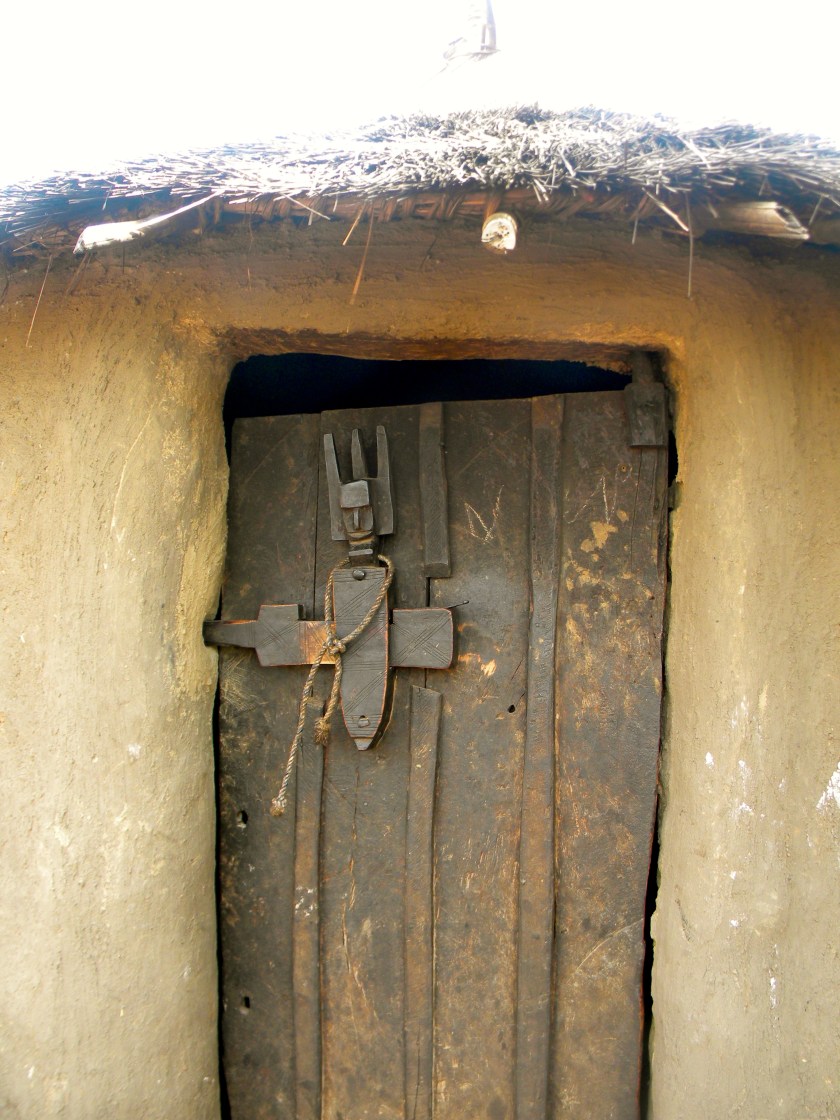
I’m in rural villages south of Bamako 1-2 times/week, where agriculture is king, extended families keep mud-brick homes in welcoming enclosures, and aged chiefs rule the roost. Of all the things to appreciate about these villages,* I get the biggest thrill from the fantastic design–of homes, shared spaces, meeting places, etc.–that abounds, sometimes running a common thread through the region, and other times rendering unique a particular locale. The materials are relatively standard, but creativity is not lacking; function and form are perfectly served. Here’s a start: Working arbors and trellises: To train gourds, grape vines, and other edibles… …to give shade to livestock, and keep a house front cool. Door and window detail: And stenciling, just for the sake of beauty (or so I was told)…. More to come–there’s always more. *The second-best aspect might be the village names, mouthy, ping-ponging, and overflowing with vowels: Ouelessebougou, Tinkele, Bananzole, Marako, Tounoufou, Bagayokobougou, and on and on.

before the rains

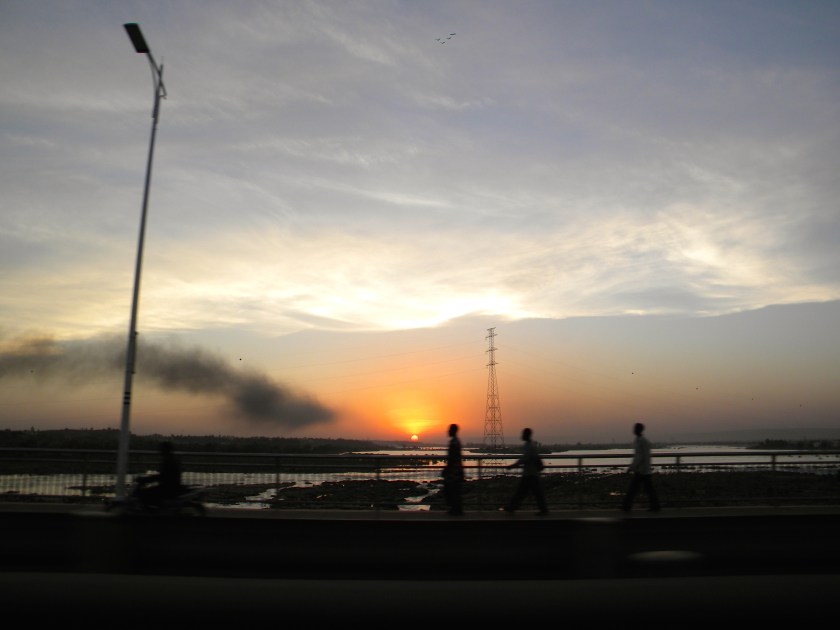
Lately, the chickens hang upside-down clucking into a suffocating wind. Cattle mutiny on the bridges. Rams roll through town, bound at hoof and horn like criminals. Wild dogs run backwards through the streets, chasing little boys, tails first. Curtains of dust hang heavy, draping leaves and eyelids and veiling moon from sun. Heads sit low under trees swollen with ripe fruit. They swarmed like bees–have you seen bees swarm on honeycomb? They swarmed– ripping down the side of the road. Pressing forward, closer, filling every gap with fingers and eyes: tonight, they burned a thief. Photo of Bamako’s 3rd bridge over the Niger River, at dusk.

what’s to eat #16

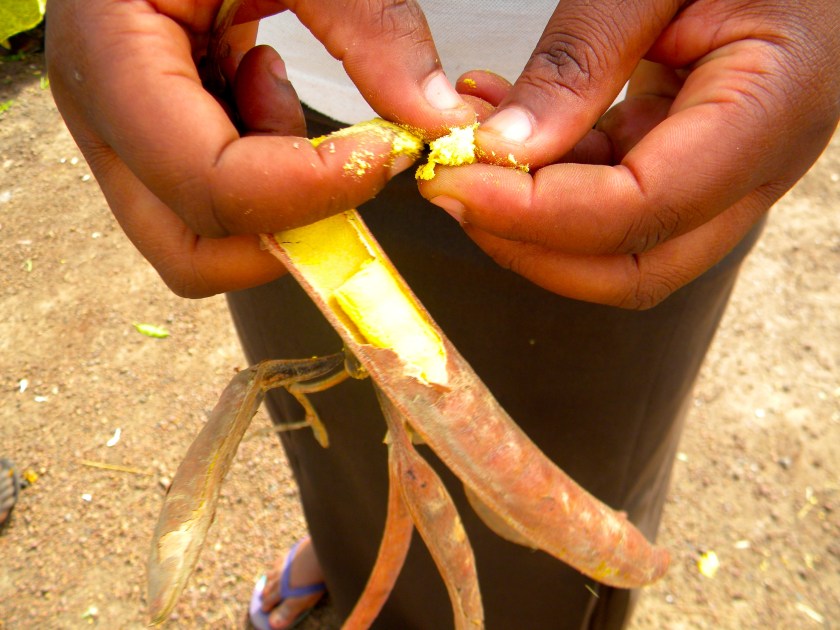
Many Good Things come from the fruit of the néré tree, and earlier this week I had a taste of one. In the village of N’korobougou, around 9am, children pranced and flopped about, munching on bright yellow balls nearly the size of their heads. I needed an explanation, and a bite. Turns out the balls were made from the sandy, bright yellow pulp of néré tree pods. The pulp is extracted, sifted, cooked with water and salt, and packed into tight balls that keep for days and days. A bit like a savory rice crispy treat, made of cornflakes. Excellent, really excellent. A sticks-to-the-ribs sort of breakfast, apparently also good for warding off malaria and bacterial infections. I suggested a touch of honey, but I was not taken seriously by the powers cooks-that-be.